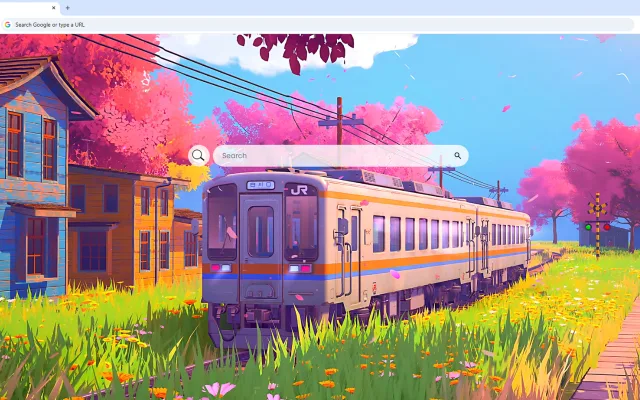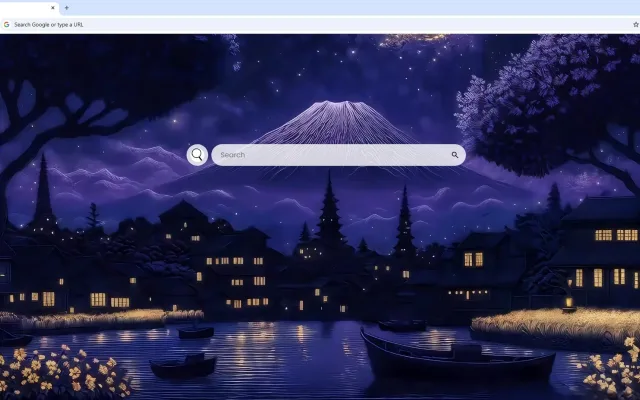
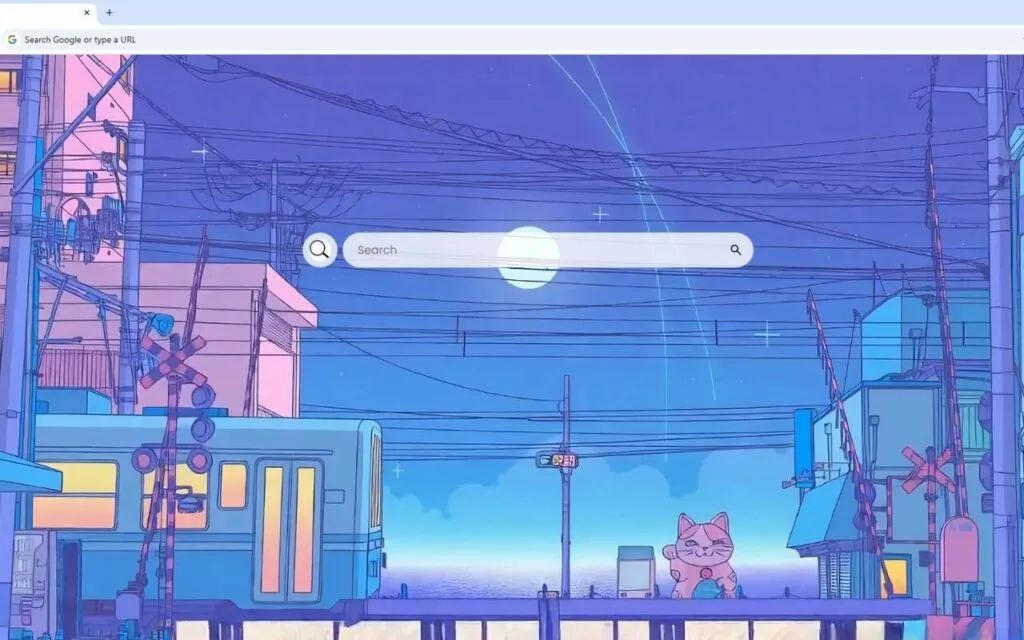
Immerse yourself in the tranquil beauty of urban Japan with this enchanting lofi-inspired cityscape that captures the essence of peaceful Tokyo evenings. This dreamy illustration features a serene train station scene bathed in soft purple and blue hues, where a charming pink cat sits contentedly on the platform, embodying the calm and contemplative spirit of lofi culture.
It’s more than just a background; it’s a portal to a feeling—a gentle, nostalgic peace that has become a digital sanctuary for millions.
The composition masterfully blends traditional Japanese urban elements with modern anime aesthetics, creating a scene that feels both familiar and magical. But what is it about this specific blend of visuals and moods that resonates so deeply with us? Why do these quiet, often melancholic cityscapes bring us so much comfort? In this article, we will journey into the heart of the lofi aesthetic, exploring its origins in music, the psychology behind its calming power, and how you can cultivate this atmosphere of tranquil beauty in your own life, both on and off the screen.
The Anatomy of an Aesthetic: Deconstructing the Lofi Vibe
The term "lofi" has evolved from a niche musical descriptor into a full-blown cultural aesthetic. To understand its appeal, we must first look at its roots and the visual language it has developed.
From "Low-Fidelity" Music to a Visual Culture
The term "lo-fi" is short for "low-fidelity." In music production, it refers to a sound quality that is intentionally imperfect. Think of the warm crackle of a vinyl record, slightly distorted samples, or the mellow, often jazzy hip-hop beats that feel handmade and authentic rather than studio-polished. Pioneers like Japanese producer Nujabes and American artist J Dilla are often credited as godfathers of the lofi hip-hop genre. Their music, characterized by nostalgic melodies and relaxed rhythms, created the sonic foundation for the entire culture.
This philosophy of embracing imperfection and nostalgia naturally bled into a visual style. Lofi art, like the music, feels personal, intimate, and often evokes a sense of gentle melancholy. It finds beauty in the mundane—a quiet street corner, a cluttered bedroom, or a lonely train ride—and transforms it into something poignant and beautiful.
The Visual Language of Calm: Common Elements in Lofi Art
The Lofi Tokyo City Japanese Live Wallpaper is a perfect specimen of this visual language. It uses a specific set of elements to create its signature mood:
-
Anime and Studio Ghibli Influence: The art style is heavily inspired by 90s anime and the beautifully detailed backgrounds seen in films from studios like Studio Ghibli. The intricate linework and soft color palettes create a sense of handcrafted artistry.
-
Time of Day: Scenes are almost always set during the "magic hours"—dusk, night, or dawn—or on a rainy day. This creates a soft, diffused light and a contemplative, cozy atmosphere. The gradient sky in the wallpaper, transitioning from deep purple to soft pastels, is a classic example.
-
Japanese Urban Landscapes: Tokyo, with its blend of hyper-modernity and quiet residential streets, is a favorite subject. Tangled electrical wires, vending machines, train crossings, and dense apartment buildings are recurring motifs that create an authentic sense of place.
-
A Feeling of "Cozy Solitude": Often, a single character (or in this case, a cat) is shown alone, but not necessarily lonely. They are studying, reading, or simply watching the world go by. This creates a sense of peaceful solitude that viewers can project themselves into. The warm golden lights from apartment windows suggest the quiet lives of others, creating a feeling of shared, peaceful existence.
The Soothing Power of Pixels: Why We're Drawn to Lofi Cityscapes
The global popularity of the lofi aesthetic, especially in the form of wallpapers and 24/7 YouTube streams, isn't accidental. It taps into deep psychological needs for calm, focus, and a gentle escape from our over-stimulated world.
The Psychology of Calm: A Digital Escape
Scientific studies have shown that certain types of music and visual stimuli can have a measurable effect on our mental state. Lofi's power comes from a combination of factors:
-
Predictability and Simplicity: The repetitive, non-lyrical beats of lofi music don't demand active listening, allowing the brain to enter a state of relaxed focus ideal for studying or working. The visuals operate similarly; they are detailed enough to be interesting but calm enough not to be distracting.
-
Soothing Color Palettes: The soft purples, blues, and pinks frequently used in lofi art are associated with calm, serenity, and relaxation. These cool tones can help lower stress levels and create a peaceful mental environment.
-
The Beauty of the Everyday: The lofi aesthetic philosophy is about finding beauty in mundane moments. By romanticizing a simple train station or a quiet room, it encourages mindfulness and an appreciation for the small, peaceful moments in our own lives.
A Nostalgia for Places We've Never Been
One of the most powerful emotions evoked by a Lofi Tokyo City Japanese Live Wallpaper is nostalgia. For many, it's a nostalgia for a time or place they've never actually experienced—a phenomenon sometimes called "anemoia." This feeling is often tied to a romanticized vision of Japan, shaped by decades of anime, film, and video games. The scene feels like a memory from a beloved movie or a place visited in a dream, tapping into a collective cultural consciousness that finds comfort in this shared, imagined past.
Creating Your Own Lofi Sanctuary: From Your Screen to Your Room
Embracing the lofi aesthetic doesn't have to end with your wallpaper. You can extend this atmosphere of tranquil focus to your entire digital and physical environment.
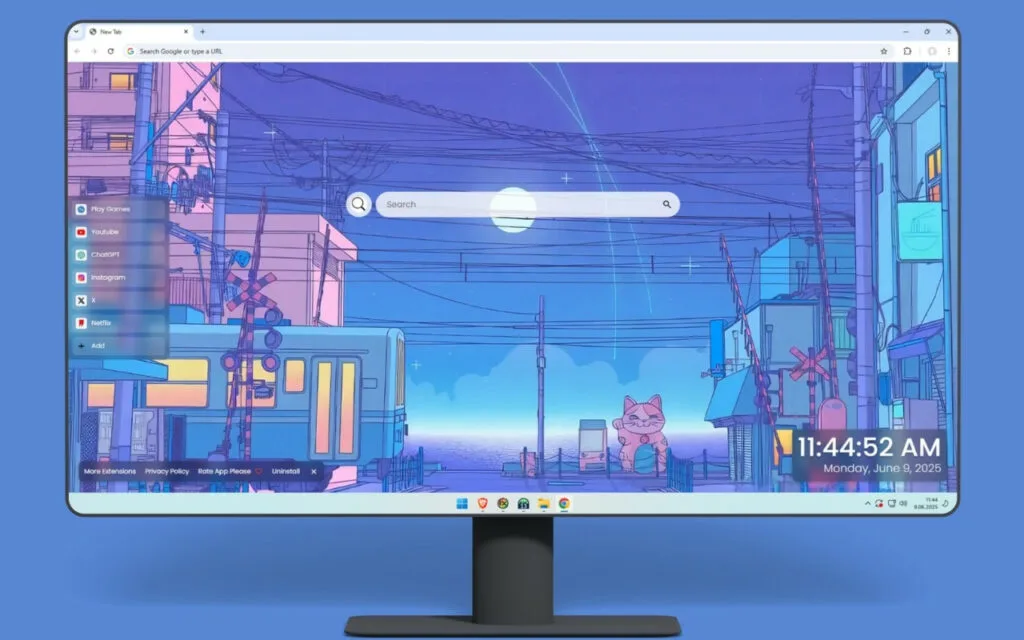
Your Digital Workspace: More Than Just a Wallpaper
Transform your device into a cohesive, calming digital sanctuary. Your live wallpaper is the foundation, but you can enhance the experience with a full suite of features:
-
⏰ Clock and Date: Track time with infinite precision using a widget with a soft, minimalist font that complements the artwork.
-
🔗 Quick Access Shortcuts: Navigate with domain expansion efficiency by using a custom icon pack with pastel colors or anime-inspired designs.
-
🎮 Play Games: Find entertainment between curse battles. A calm digital space makes moments of leisure even more enjoyable.
-
🔍 Search Bar: Discover knowledge across the jujutsu realms with a simple, unobtrusive search widget that doesn't clutter your serene view.
Bringing Lofi Home: Decorating for a Tranquil Atmosphere
You can translate the digital aesthetic into your physical space to create a true sanctuary for relaxation and focus. The following table offers some ideas:
| Element | Lofi-Inspired Idea | Why It Works |
| Lighting | Use warm, dimmable LED strips, fairy lights, or a small neon sign. | Soft, indirect light is less harsh on the eyes and creates a cozy, intimate feel. |
| Color Palette | Paint walls in muted tones of blue, purple, or grey. Add pastel pinks as accents. | Replicates the soothing color schemes seen in lofi art, promoting relaxation. |
| Textures | Incorporate soft blankets, plush rugs, and natural wood furniture. | Soft textures add a layer of physical comfort and warmth to your space. |
| Decor Accents | Add small potted plants (like succulents), retro tech, manga, or anime figures. | These details echo the personal, lived-in environments seen in lofi illustrations. |
| Sound | A small Bluetooth speaker or a record player for playing lofi hip-hop beats. | The auditory component is crucial for completing the immersive, calming experience. |
Ultimately, a Lofi Tokyo City Japanese Live Wallpaper is more than just a beautiful image. It’s a reflection of a cultural movement that champions peace, mindfulness, and the quiet beauty of the everyday. It is a reminder that even in our fast-paced, digital lives, we can always find a pocket of tranquility.
What elements of the lofi aesthetic do you find most calming? Share your favorite lofi artists or visuals in the comments below